What we do | Highlights | Impact | Case Studies
Less nitrogen. Lower emissions.
Same farms, better systems.
FAMA is delivering real nutrient and emissions reductions at scale.
Since 2017, the FAMA group has made clear, measurable progress in reducing nitrogen loss and greenhouse gas emissions across its farms, while maintaining production and expanding productive area. Our multi-year Overseer data has been independently gathered and verified by expert consultants, providing credible evidence of these system changes.
These results reflect long-term system changes rather than short-term fixes. Across the group, nitrogen losses are down, emissions efficiency has improved, and milk solids production has increased.
Note: Base-year data slightly understates the original starting point, meaning the reductions achieved by 2025 are likely greater than the figures shown here.
Nitrogen loss
Less nitrogen lost, across more land
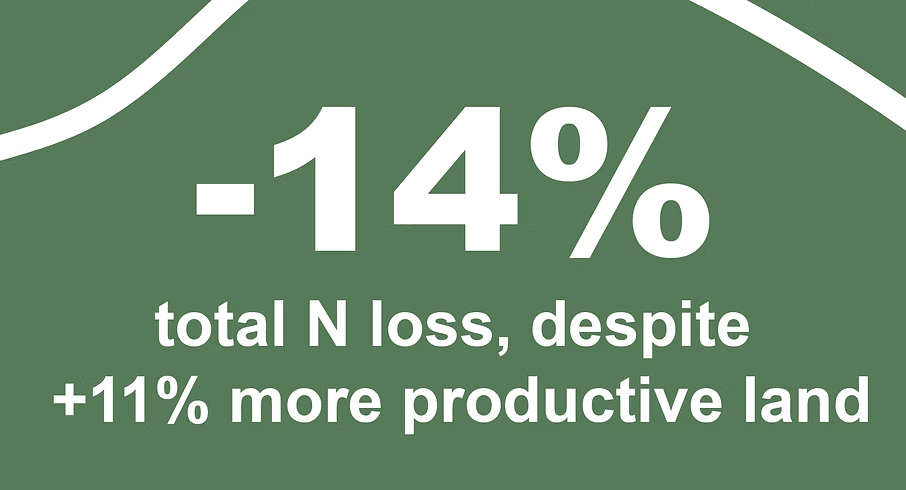
14% reduction in total N loss across whole farm area
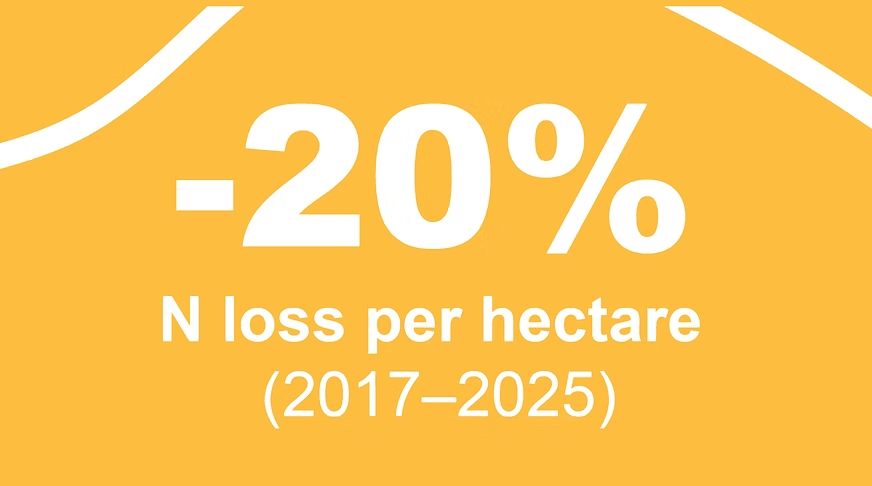
20% reduction in N loss per hectare
Milk platforms delivered a 20% per-hectare reduction, despite being the highest-intensity land
Total N loss fell by 31,167 kg, while productive area increased by 11%
Why this matters
Efficiency gains, not contraction
Productive area increased from 2,542 ha to 2,828 ha (now directly supporting milking areas)
Lower nitrogen losses spread across more hectares
Larger effluent areas amplified gains
Phosphorus
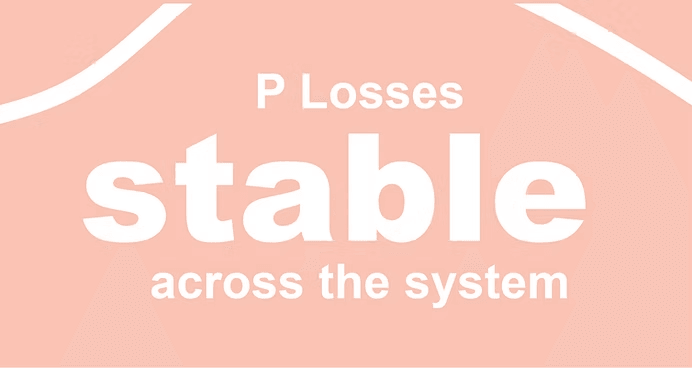
Whole-farm P loss per hectare remained stable
Milk-platform P loss unchanged
No material increase in intensity
Greenhouse gas emissions
Lower emissions, better efficiency
4% reduction in total whole-farm emissions
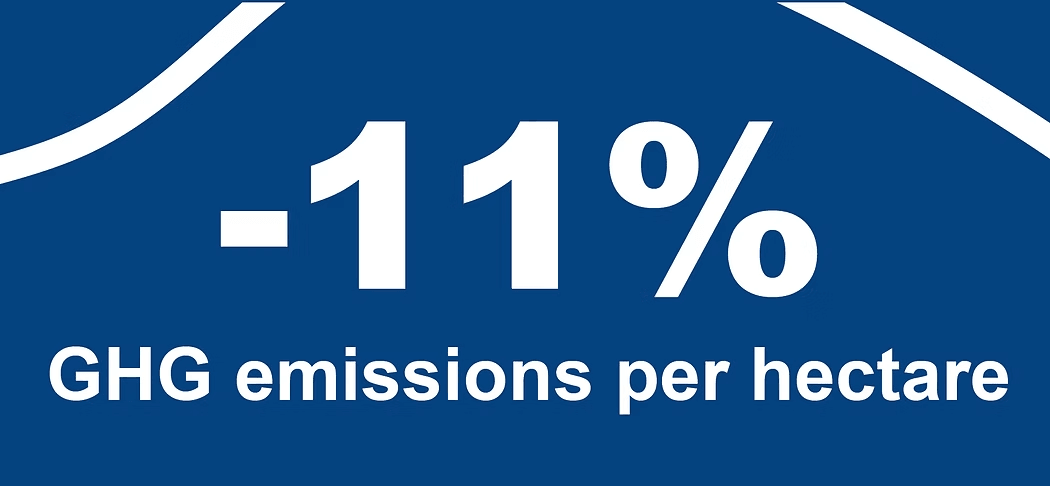
11% reduction in emissions per hectare
Milk platforms achieved 7% reduction in total emissions
Emissions intensity per hectare improved by 11%
Production efficiency
More milk, lower impact
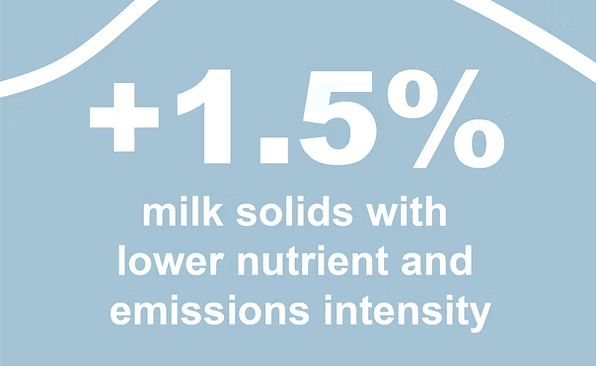
Milk solids increased by 1.5%
N loss per kg of milk solids improved by 16%
Greenhouse gas intensity improved by 8.7%
FAMA is producing more milk solids with less environmental impact, showing what sustained, system-level change can deliver over time.
Note: Base-year N losses are slightly understated due to data coverage limitations. Actual reductions achieved by 2025 are likely greater than reported.